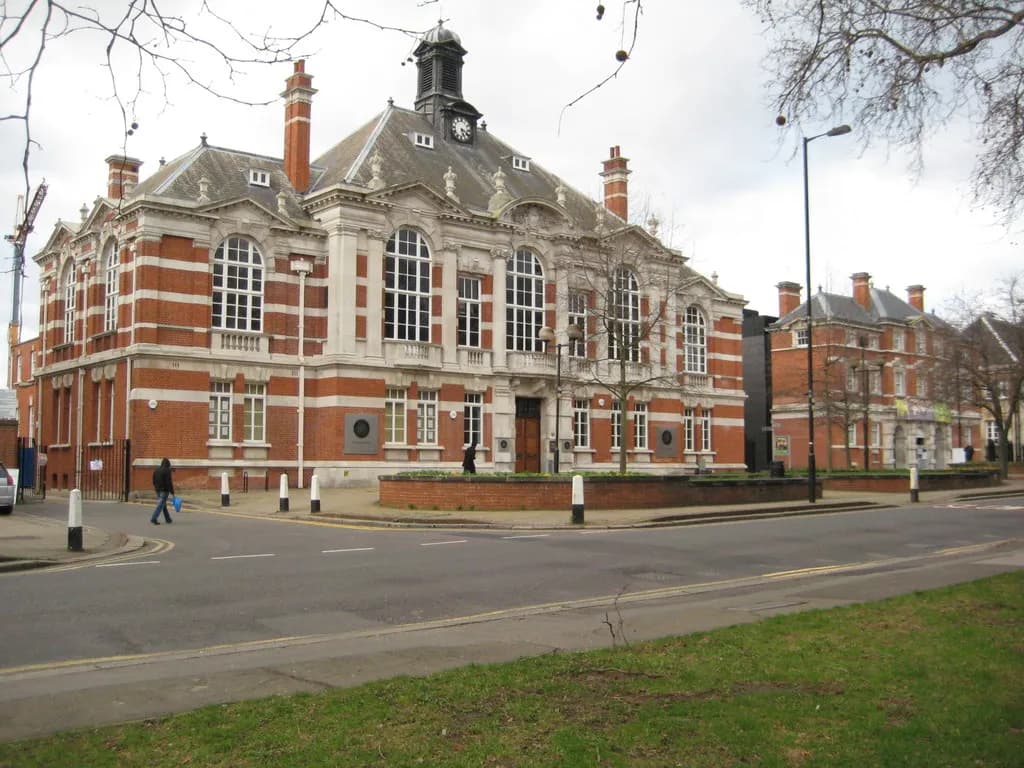
Tottenham is entering a new chapter of community-led regeneration. A 10-year strategy launched in 2024 aims to put residents at the centre of the area's transformation, following extensive consultation with hundreds of local people.
Shaping Tottenham
The "Shaping Tottenham" strategy emerged from a six-week community engagement programme called "Tottenham Voices" in 2023. The council ran pop-up events, workshops, DJing sessions, and a football tournament to gather input from young people, schools, businesses, and local heroes.
The resulting strategy focuses on five themes: celebrating cultural identity, strengthening community ties, promoting sustainability, improving safety, and driving inclusive economic growth. This approach represents a shift towards genuine community participation in urban planning decisions.
Cultural Anchors
The Bernie Grant Arts Centre remains a cornerstone of Tottenham's cultural life. The £15 million purpose-built centre opened in September 2007 and was designed by architect David Adjaye. It houses a 274-seat auditorium and supports what it calls "the next generation of Black creativity."
Named after the former Tottenham MP who served from 1987 until his death in 2000, the centre offers classes, hires out spaces, and hosts performances and exhibitions throughout the year. Grant was a champion of multicultural arts during his time in Parliament.
London Borough of Culture 2027
Haringey's selection as London Borough of Culture for 2027 adds further momentum to Tottenham's cultural development. The award, announced in 2024, will bring a year-long programme celebrating what the council describes as the "rebel borough."
Preparations are already under way, with the London Festival of Architecture set to feature Alexandra Palace and Wood Green for a third successive year in 2026.
Regeneration Projects
Several major developments are progressing across Tottenham. The Broadwater Farm estate is undergoing significant change, with 294 new council homes currently under construction. The estate, completed in the early 1970s with its distinctive "streets in the sky" design, underwent a £33 million regeneration programme following the 1985 riot.
Tottenham Hale continues its transformation from industrial hub to mixed-use neighbourhood. The area once employed 8,000 people at the Harris Lebus furniture factory in the 1930s. Today, it features the modern Hale Village development, inspired by Stockholm's Hammarby Sjöstad, alongside newer additions like craft breweries Beavertown and Pressure Drop.
The High Road West scheme plans 2,600 new homes and projects 3,500 new jobs. Bruce Grove town centre is also receiving attention, with station improvements and the "Your Bruce Grove" initiative under way.
Community Facilities
Markfield Beam Engine and Museum, a Grade II listed building housing an 1886 beam engine, reopened in 2010 following a £3 million restoration. In 2025, it merged with Walthamstow Pumphouse Museum to form the Heritage and Communities Trust.
Down Lane Park and The Paddock nature reserve received over £10 million in investment as part of the Tottenham Hale regeneration. The council runs wellbeing walks in Markfield Park on Wednesdays.
Looking Ahead
With the London Borough of Culture 2027 on the horizon and the Shaping Tottenham strategy providing a framework for development, the area is positioning itself as a model for community-involved regeneration. The challenge remains balancing new investment with preserving the area's distinctive character and ensuring existing residents benefit from change.